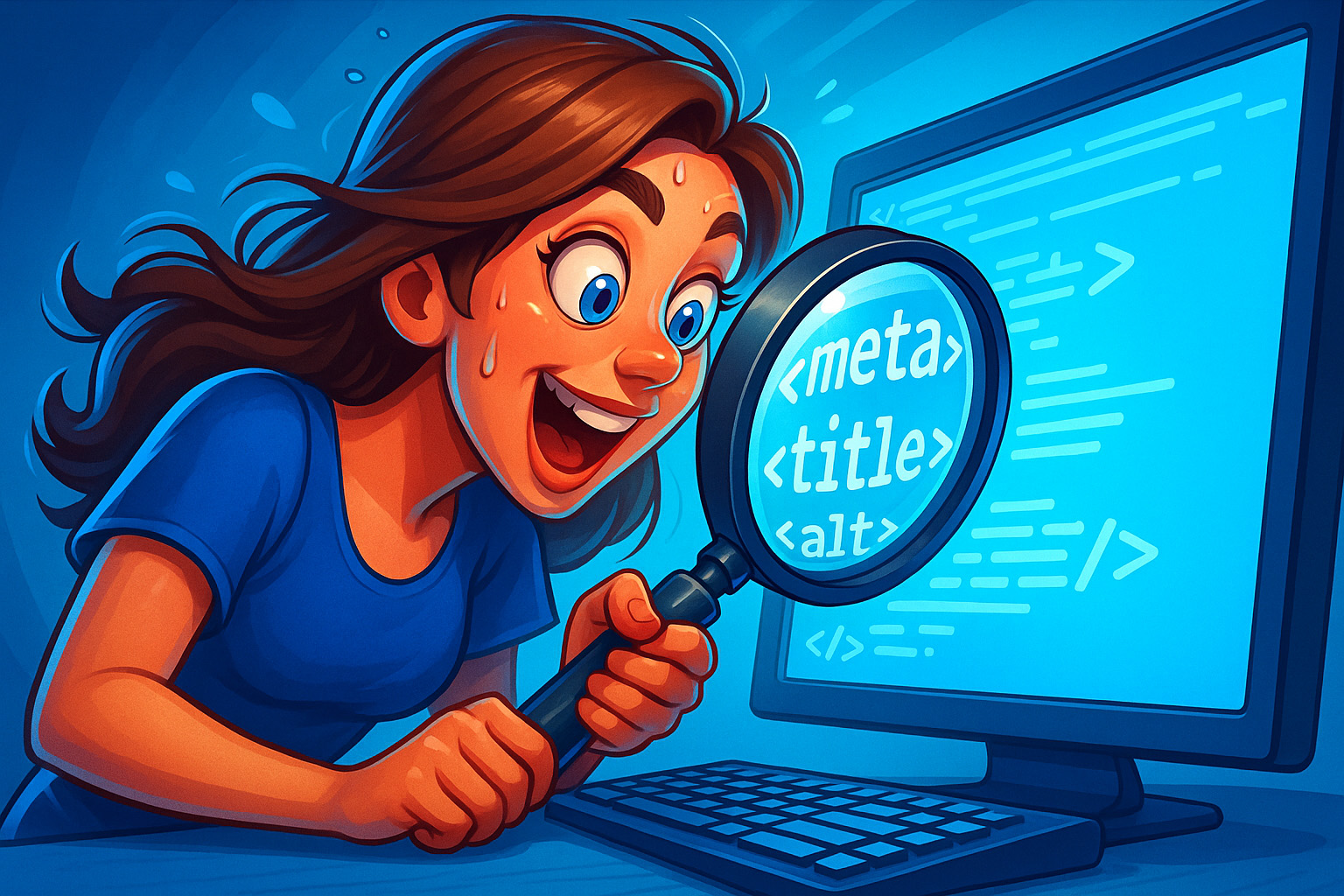
The internet is a swirling galaxy of blog posts, articles, memes, TikTok rants, and cat videos — a never-ending digital universe where information either shines or gets lost in the black hole of search engines. How do we make sense of all that content? The answer lies in a quiet, often overlooked superhero: metadata. Metadata is the invisible label that tells search engines (and humans) what your content is about. Without it, the web would be chaos — an unsearchable mess of half-baked pizza recipes and conspiracy theories. With it, we get clarity, structure, and the ability to actually find what we’re looking for.
In this guide, we'll explore everything you need to know about metadata:
- What metadata actually is
- Why metadata is important for businesses and SEO
- The different types of metadata (and why each matters)
- Which metadata search engines care about most
- Best practices to squeeze the most value out of your metadata
By the end, you'll know how to wield metadata like a pro — turning your website from "meh" into a traffic-generating, click-worthy machine.
What is Metadata? (The Short Answer)
Metadata is data about data. Sounds boring? Stay with me. Imagine walking into a library with millions of books, but none of them have titles, authors, or labels on the spines. Nightmare, right? That's the internet without metadata. Metadata acts like those labels, making information discoverable, organized, and useful.
Metadata can tell us:
- What something is (title, description)
- Who created it (author)
- When it was made (date)
- How it can be used (permissions)
- Where it fits in the bigger picture (categories, relationships)
Basically, metadata is the tour guide that helps humans and search engines make sense of the digital world.
The FAIR Principles of Metadata
If metadata had a set of commandments, it would be FAIR: Findable, Accessible, Interoperable, and Reusable. Let's unpack that:
- Findable:strong> Metadata should make it easy for both humans and machines to locate the information. Think of clear, consistent labeling.
- Accessible: Good metadata ensures that the data can be retrieved when needed, within the right permissions.
- Interoperable: It should work across systems. Whether Google, Bing, or some obscure crawler is reading it, metadata should be consistent and compatible.
- Reusable: Metadata should be versatile. If someone wants to pull your data into a different context, they should still understand what it is and how to use it.
In short: FAIR metadata makes life easier for everyone.
Why Metadata Matters for Your Business
1. Metadata Helps Classify and Organize Information
Without metadata, your website's content is like a box of unlabeled VHS tapes (remember those?). Metadata adds context through:
- Keywords
- Titles
- Author names
- Publication dates
- Categories and tags
- Access Permissions
This classification helps both search engines and users understand what your content is about — making it more likely to be found and clicked.
2. Metadata is a Key Player in SEO
Search engines love context. Metadata provides that. It tells Google what your page is about and why it deserves to rank. While Google has admitted that meta descriptions don't directly impact rankings, they do influence click-through rates (CTR) — which indirectly impact SEO performance.
If your metadata is optimized, your listing becomes the most compelling option on the page, even if you're not ranked #1. That's the power of persuasive metadata.
3. Metadata Helps Search Engines Process Visual Elements
Search engines are smart, but they're still not great at interpreting images or videos. Metadata fills in the gaps. With alt text, titles, and captions, you provide search engines with the context they need to understand your visual assets.
Imagine uploading a beautiful photo of Blu the Cow holding a coffee mug. Without alt text, Google just sees pixels. With alt text like "Blu the Cow mascot drinking coffee in Sacramento office", suddenly your image has context and can rank in image searches.
Types of Metadata
Descriptive Metadata
This is the "what" of your content. Titles, keywords, summaries, captions — anything that describes the content.
Structural Metadata
This deals with the "how" of your content. It explains how a piece of content is put together or how it relates to other content. Example: image dimensions, chapters in an e-book, or sections in a report.
Administrative Metadata
This is the behind-the-scenes stuff: who created it, when, and what restrictions apply. Think copyright notices, permissions, or usage rights.
Metadata That Matters Most to Search Engines
Title Tags
Your title tag is prime real estate. It's the clickable headline in search results. A strong title tag should:
- Include the target keyword naturally
- Be descriptive and accurate
- Stay under 60 characters (so it doesn't get cut off)
Meta Descriptions
This is the snippet under the title. Aim for 155 characters or less. While it doesn't affect rankings directly, a compelling meta description can significantly boost CTR.
Alt Tags for Images
Alt tags describe your images. This helps with accessibility (screen readers rely on them) and SEO (Google uses them to understand your visuals).
Keywords
Keywords are the bridge between your content and the searcher's intent. Used in your metadata, they help reinforce relevance and context.
Best Practices for Metadata Optimization
- Use Standardized Schema Stick to recognized frameworks like schema.org or Dublin Core so your metadata is machine-readable.
- Fill in All Fields Don't half-bake it. Include title, description, author, date, and keywords wherever possible.
- Be Descriptive Generic labels like "document" or "image1.jpg" don't cut it. Instead, use precise terms like "SEO best practices research paper" or "Blu the Cow infographic."
- Keep It Accessible Use formats like XML or RDF so search engines can easily parse your metadata.
- Think Humans First Always balance SEO with readability. Write descriptions that people actually want to click.
Common Metadata Mistakes (and How to Avoid Them)
- Duplicate Meta Tags: Each page should have unique metadata.
- Keyword Stuffing: Don't cram keywords like a Thanksgiving turkey.
- Overly Long Descriptions: Stick to 155 characters to avoid truncation.
- Blank Fields: If you leave metadata blank, search engines will generate something random — usually not in your favor.
Metadata in Action: Real-World Examples
At Blumoo Creative, we've seen firsthand how powerful metadata can be. A real estate client in Wilmington updated their meta descriptions across 50 listings, focusing on benefits like "Oceanfront property with private dock access." Within 60 days, click-through rates improved by 32%.
Another client in the food industry optimized image alt tags for their Hawaiian cuisine photos. Suddenly, their site began appearing in Google Images for "Hawaiian plate lunch Sacramento," leading to a measurable increase in catering inquiries.
The Future of Metadata
With AI-powered search and voice assistants on the rise, metadata is more important than ever. Google often rewrites meta descriptions, pulling content directly from pages. This means your on-page copy and metadata need to work together seamlessly.
As search evolves toward conversational queries, metadata will adapt. Descriptions that answer questions directly ("What is metadata?") will gain more prominence.
Wrapping It All Up
Metadata may seem small, but it's the glue holding the internet together. Without it, we'd drown in chaos. With it, we get clarity, discoverability, and better SEO performance.
So the next time you upload a blog, publish a product page, or share a photo of Blu the Cow, don't forget the metadata. It could be the difference between being found — or being forgotten.
Let the Experts Handle Your SEO
Need help mastering metadata and SEO? Blumoo Creative has your back. Our geeky, passionate team knows how to turn meta magic into measurable results. In the last five years, we've helped clients generate millions in leads and revenue.
Call us today at (916) 223-0367 or contact us online to see how we can optimize your SEO strategy.