
Personal Injury Lawyer Marketing in Austin, TX
Austin personal injury firms compete in a fast-moving legal market where potential clients often compare several attorneys, reviews, directories, and search results before choosing who to contact.
We connect SEO, Google Maps, legal directories, paid search, reviews, content, conversion improvements, intake tracking, video, and AI-search visibility. Our Everywhere SEO approach helps your firm remain visible throughout the research and decision process.
What you’ll walk away with:
- A case-generation plan built around the Austin market
- Clear priorities for your preferred case types and service areas
- Opportunities to improve search visibility, lead quality, and intake
- Practical next steps across SEO, Maps, directories, paid media, and AI search
Just a 30-minute strategy session focused on where your Austin firm may be losing visibility, qualified leads, or consultation opportunities.
No fluff. No pressure. No guaranteed-case nonsense.
Let's improve your conversions

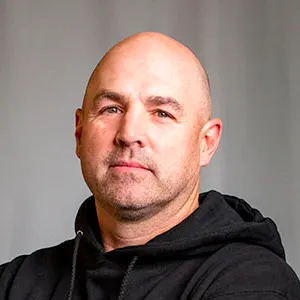
Hey there! I'm Gregg,
founder of Blumoo Creative
20+ years of experience
...Not a real lawyer!

More Traffic Isn’t Enough...
Your Website Has to Win Personal Injury Leads
Stop paying for traffic that lands on your website, looks around, and leaves without calling.

More Traffic Doesn’t Mean More Jobs
SEO can bring more potential clients to your website, but traffic alone does not generate cases. Your site needs to turn those visitors into calls, consultation requests, and qualified personal injury leads.

Pretty Websites Don’t Always Convert
A polished website is useless if potential clients cannot quickly understand what you do, where you work, and how to contact you. Every page should guide visitors toward one clear next step.

Built Around Your Personal Injury Law Firm
No cookie-cutter templates. No recycled marketing plans. Your strategy should reflect your practice areas, target market, ideal cases, competition, and the way your firm handles new client inquiries.
What our Clients Think of Us












Why Austin Personal Injury Law Firms Struggle to Generate Consistent Cases
Austin personal injury firms compete against established local practices, regional law firms, aggressive paid advertisers, legal directories, and national lead-generation platforms. Standing out requires more than publishing a few practice-area pages and waiting for calls.
Potential clients may compare several firms while reviewing websites, attorney profiles, ratings, videos, and directory listings. Slow responses, missed calls, weak trust signals, unclear messaging, or complicated intake steps can push a qualified prospect toward another firm.
Consistent case opportunities require visibility for the right matters, meaningful local authority, strong reputation signals, useful content, and clear consultation paths. Everywhere SEO connects those elements across search, Maps, directories, reviews, social discovery, video, paid media, and AI-generated answers.






What We Do for Austin Personal Injury Law Firms
We build practical digital marketing strategies that help Austin personal injury firms strengthen visibility, attract better-fit prospects, and turn more searches into measurable consultation opportunities.
- Personal injury SEO and case-type content
- Google Business Profile and local search optimization
- Google Ads and focused lead-generation campaigns
- Conversion-focused websites and landing pages
- Review, authority, and trust-signal improvements
- Call tracking, form tracking, and intake analysis
- Legal-directory and citation consistency
- AI-search and Everywhere SEO visibility improvements
Every strategy is built around your market, preferred case types, competition, budget, geographic priorities, intake capabilities, and lead-quality goals.
More Traffic Isn’t the Goal... Better Leads Are.
Schedule your 30-Minute Strategy Session.
Answer a few questions so we can skip the awkward small talk and jump straight to the good stuff.
No spam. No weird follow-ups. Just one session and a clear plan.
How We Build Your Austin Case Strategy
We evaluate the local market, identify the case types and visibility opportunities that matter most, and build a practical strategy around qualified prospects, consultation paths, and intake performance.
We Analyze the Austin Market
We review local competitors, organic rankings, Google Maps visibility, legal directories, reviews, paid advertising, case-type demand, site performance, intake experience, and visibility within AI-generated search results.
We Build Your Strategy
We prioritize the case types, locations, content, local SEO work, paid campaigns, directories, conversion improvements, and Everywhere SEO opportunities most relevant to your firm.
We Improve Visibility
We strengthen website content, local presence, authority, reviews, citations, video discovery, paid campaigns, technical SEO, and the consistency of your firm and attorney information across platforms.
We Track Meaningful Results
We measure calls, forms, consultation opportunities, lead quality, organic and Maps visibility, campaign performance, intake response, and source attribution—not just traffic charts and vanity metrics.
Award-Winning Digital Marketing Agency

With over 15 years of digital marketing experience, we’ve earned a trusted reputation for Charlotte SEO. Our work has been recognized by Forbes Agency Council, UpCity, and Clutch, and we’re a Google Partner.
Real Questions. Real Answers. No Bull.
Personal injury marketing questions for Austin law firms
SEO helps a personal injury law firm appear when potential clients search for attorneys, case-specific legal help, accident information, and answers about their rights. A strong strategy combines technical SEO, useful case-type content, local visibility, authority building, reviews, and conversion-focused pages.
Personal injury marketing is extremely competitive because the potential value of a signed case can be significant. Law firms often compete with established local attorneys, regional firms, national advertisers, legal directories, and lead-generation companies. Success requires a focused strategy rather than simply publishing more pages or increasing ad spend.
Yes, when the firm genuinely handles those matters. Separate pages for car accidents, truck accidents, motorcycle accidents, wrongful death, slip and fall cases, and other practice areas allow the firm to address different search intent, legal concerns, evidence, injuries, and client questions.
Local SEO is essential because many potential clients search for attorneys near them or include a city in their search. Google Business Profile optimization, reviews, accurate business information, local authority, location pages, and strong geographic relevance can help a firm compete in Google Maps and local search results.
Google Ads can generate personal injury leads, but costs are often high and poor targeting can waste a substantial budget quickly. Successful campaigns require carefully selected keywords, negative keywords, geographic controls, strong landing pages, call tracking, intake follow-up, and ongoing evaluation of lead quality.
Meaningful SEO improvement commonly takes several months, although the timeline depends on the market, website condition, existing authority, reviews, competition, content, technical issues, and prior marketing work. Highly competitive cities and case types usually require a longer-term investment.
Marketing cannot fix a weak intake process. Potential clients often contact several firms, and missed calls, slow responses, confusing forms, or poor follow-up can cause qualified leads to choose another attorney. Call handling, response time, lead tracking, and consultation procedures should be evaluated alongside SEO and advertising.
Ready to Generate More Qualified Case Opportunities?
Let’s find where your firm is losing leads and build a focused Austin strategy around the cases you want most.